There are two very different ways to revive tired paint. One stays on the surface, refines what is already there, and protects it. The other replaces the finish entirely. Choosing between paint correction and a repaint is not a beauty-versus-budget question. It is about the health of the coating system, the goals you have for the vehicle, and how much risk, downtime, and change you are willing to accept.
Owners are often torn because both routes can deliver a shiny result on day one. The real differences show up six months later, or six years later, in sunlight, under a swirl-finding LED, or when it comes time to sell. This guide walks through the decision the same way an experienced shop evaluates it: starting with the paint you have, not the finish you wish you had.
What paint correction can and cannot do
Paint correction is controlled abrasion of the topmost layer to remove or reduce visual defects, then refining to a high gloss and protecting the result. On modern cars with a clear coat, the abrasive work happens in that clear, not in the color layer. On older single-stage finishes, you are leveling the pigmented paint itself.
Correction excels at remedying the most common enemies of gloss: wash-induced swirls, light to moderate scratches, dullness from oxidation, water spots that have etched lightly, and overspray. A proper one or two stage correction can remove thousands of micro peaks and valleys that diffuse light, restoring sharp reflections and color depth without altering the vehicle’s originality. It is usually faster, safer, and far less expensive than a repaint. It preserves factory orange peel and panel alignment. And with the right protection afterward, such as a ceramic coating, it can hold that gloss for years.
But correction has limits. It cannot rebuild missing clear coat where the sun or chemicals have already eaten it away. It will not erase deep gouges you can feel with a fingernail. It cannot fix cracking, crow’s feet, solvent pop, delamination, or paint lift at panel edges. If you try to polish through those, you risk burning through. In other words, correction refines a healthy coating system. It does not repair a failing one.
The case for a repaint
A repaint is new coating material, usually starting with sanding, prep, and priming, then base coat and clear, sprayed in a booth. It is the only cure for systemic failures, large areas of peeling clear coat, deep scratches down to primer or metal, and rust repairs. It is also a pathway to a color change, custom finishes, or resetting the clock on a battered vehicle that needs a clean slate.
A quality repaint takes time and skill. Even panel-only resprays call for blending adjacent panels to hide color shifts. Full repaints require disassembly for proper coverage and to avoid tape lines and overspray. Materials and environmental controls matter. The difference between a shop that understands substrate prep and one that polishes over filler dust shows a year later when edges start to lift.
There are trade-offs. Repainting removes originality, which matters for collector cars and some newer models with documented factory finishes. It can introduce mismatched peel, dirt nibs, or dieback if rushed. And while a good shop warranties its work, you also take on the responsibility of caring for softer fresh paint during the first 30 to 90 days while it fully cures.
How pros decide in the bay
The first ten minutes with a vehicle tells an experienced detailer most of what they need to know. Paint correction versus repaint starts with a simple chain of questions.
Is there clear coat failure, or is the damage superficial? Under a swirl finder light, failed clear looks chalky and spidered, often with a matte halo that does not change when wiped. A light pass with a finishing polish that yields no gloss is a red flag. Etching and water spots that remain after a test spot also say the damage penetrates too deep.
Is there enough material to work with? A paint thickness gauge reading, taken across multiple panels, reveals not only overall thickness but past bodywork. Modern OEM finishes typically test at 80 to 140 microns for the whole stack. When you see 250 on one door and 90 on the fender, there has been filler and respray. On the thin areas around edges, or on repainted panels that already read low, correction must be conservative. If you do not have room to level defects safely, you do not correct aggressively.
Are the defects panel-wide or isolated? A handful of deep scratches in a trunk lid can get a targeted wet sand and spot repair, then correction for the rest. Consistent heavy oxidation across all horizontals on a white single-stage car may still correct beautifully, with pigment transfer on the pad as expected. But widespread crow’s feet or crows-foot cracking is non-negotiable. That calls for strip and repaint.
How will the vehicle be used? A daily driver that sees automatic washes every week will not hold a flawless mirror for long, so chasing 100 percent correction is wasted effort. A 70 to 85 percent improvement with protection is the smart choice. A garage-kept weekend car with an owner who knows how to maintain may justify an extra refining step or even a multilayer ceramic.
Finally, think about continuity. Does the vehicle already have multiple repainted panels? If so, blending in one more may be the only way to achieve a uniform look. If most of the car is original and only the front bumper is peppered with rock chips, a bumper respray plus correction everywhere else keeps the factory story intact.
When correction is the better choice
Even dramatic before-and-after photos can mislead. The right way to decide is to look for signs of a viable coating system. If you can still see clear reflections in the base state, if test polishing removes a patch of haze to reveal crisp flake and depth, and if thickness readings suggest healthy headroom, correction makes sense.
On a black sedan with a decade of tunnel wash swirls, you might start with a heavy cut on a microfiber pad, refine with a fine foam, then protect with a ceramic coating. It is not unusual to remove only 3 to 5 microns of clear with that process when managed properly. That is a tiny fraction of the clear coat, and it buys back years of gloss. Follow that with proper wash technique, and the result lasts.
Single-stage paints respond differently. An older red or white car may oxidize in layers. The first pass loads your pad with pigment. The gloss returns, but you also need to watch for thin spots at edges and body lines. With careful masking and lighter pressure around those transitions, correction preserves the character of the car while reversing the chalk.
Correction is also your first step before any protective film or ceramic coating. You seal what you see. Installing film over swirls or coating over unrefined haze traps defects and reduces clarity. Good exterior detailing builds up, not over.
When repainting is the honest answer
Fresh clear that has lifted in dime-sized patches on a hood will not reseal with polishing. Neither will acid rain etching that looks like a ghostly map and still shows after compounding. Rock chips that pepper a bumper into a constellation are better solved with a respray than hours of touch-up that reads like Morse code.
Bodywork triggers are clear. If there is rust bubbling at wheel arches, metal work and repaint are the only ethical path. If a deep gouge runs through the primer to bare metal, you need to repair the substrate. Large areas of heavy orange peel from a prior poor respray may justify a sand-flat and reclear. Correction cannot even out peel without removing too much clear.
Color changes sit in their own category. If you dream of a satin green on your gray coupe, that is not a correction conversation. That is design, prep, and paint. Be ready for door jambs, engine bay, and the realities of living with a custom finish.
The gray zone: spot repairs, blends, and smart refinishing
Not every answer is all or nothing. Some of the best outcomes blend methods. A typical path for a practical owner looks like this: respray the front bumper for chips, blend a fender scratch that broke through, then perform paint correction on the rest of the car and finish with a ceramic coating. The eye reads continuity across panels, and the majority of the factory finish remains.
Smart repairs for isolated defects can be cost effective and preserve value. Spot wetsanding for dust nibs, filling and leveling a door ding that only grazed the clear, or a small airbrush blend on a lower valence can make a panel disappear without a full repaint. The trick is honesty about what you can hide and what you cannot. Stand ten feet away, then two, then one. If it reads clean at all three distances, the blend succeeded.
How Hugo's Auto Detailing evaluates your paint, step by step
A thorough evaluation is structured but not scripted. At Hugo's Auto Detailing, the walkaround starts outdoors in natural light to catch panel-wide issues. Under shop LEDs, we chase finer defects. We measure thickness at edges and centers, on horizontals and verticals, logging readings that reveal repairs and risk zones. There is always a test spot in a representative area, using the least aggressive combination first. If a finishing polish lifts the haze and brings back clarity, we design a correction plan. If compounding bites and still leaves ghosting, we talk about repainting options for those panels.
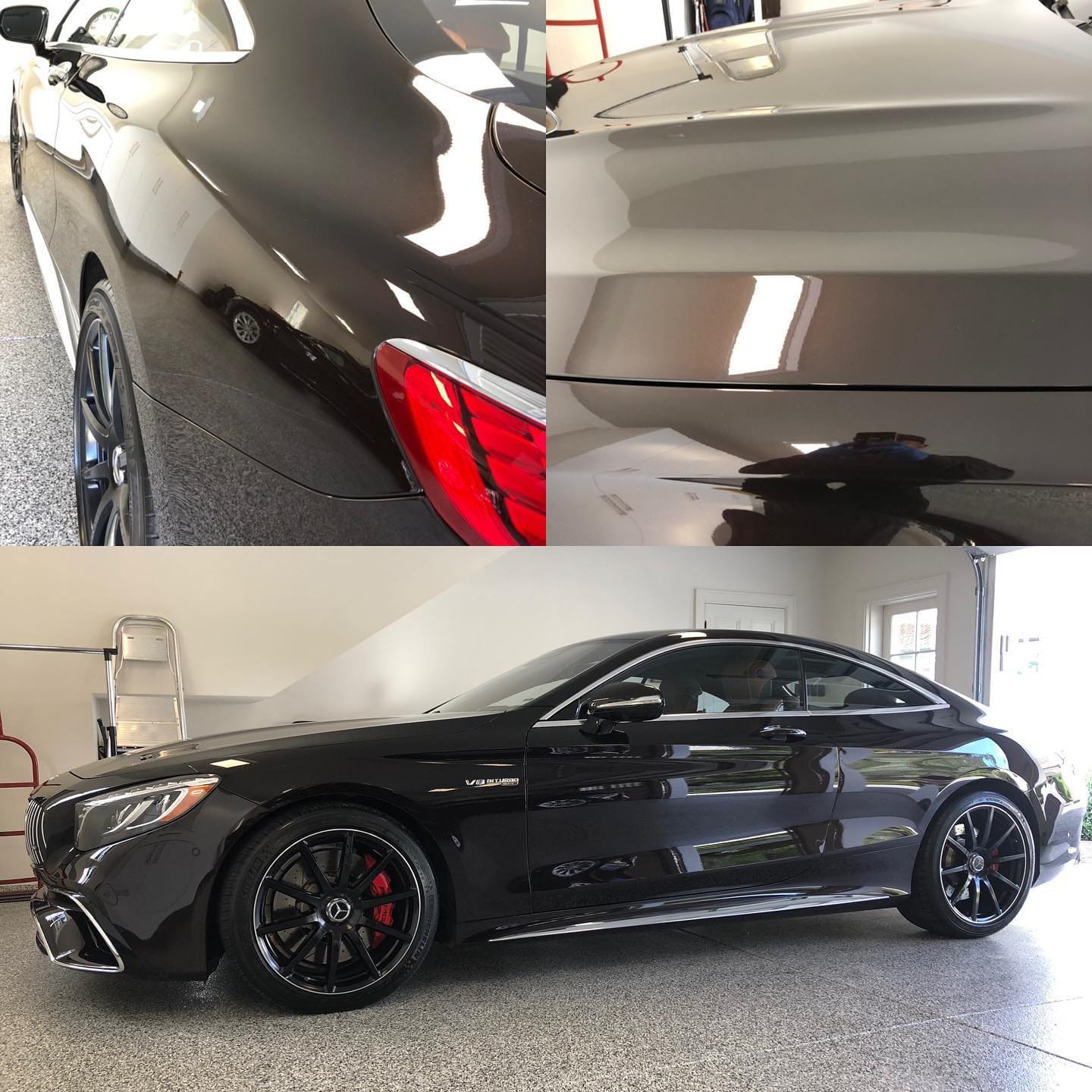
We also map your goals. A family SUV that hauls kids and dogs deserves durable protection and realistic correction, not an obsessive chase on every micro marring. A collector’s coupe that lives under a cover invites multi-step refinement, careful edge work, and longer cure windows for coatings. Our experience with both scenarios keeps the approach grounded.
What a high-quality repaint entails, beyond the booth
Choosing repaint is not a failure. It is a reset. But it only pays off if the work respects the substrate. Proper prep means degreasing, removing trim rather than taping awkwardly, addressing any corrosion fully, and sanding to the right profile for primer adhesion. Panel alignment matters as much as gloss. In the booth, temperature and humidity control reduce solvent pop and dieback. Coat thickness should be measured and documented, especially for high-impact areas likely to see future correction.
After a repaint, give the finish time. Fresh paint off-gasses solvents for Interior detailing weeks. Washing, polishing, and especially sealing need to wait on the manufacturer’s cure recommendations. During that early period, treat the paint as soft. Gentle rinses, plush towels, and shade are your friends. A well executed repaint, topped after curing with a ceramic coating and maintained with proper exterior detailing, can deliver years of easy upkeep.
Budget, downtime, and long-term value
Be candid with yourself about time and money. A full multi-step paint correction with coating is often a fraction of the cost of a repaint and usually measured in days, not weeks. A quality panel respray with blending might be a week or more, a full repaint several weeks depending on parts removal and curing schedules.
There is a value story here. Original factory paint, even with a few stone chips, often sells a car faster than a fresh respray if the buyer worries about hidden accident history. On the other hand, a high-mileage truck with varied panel fades might attract more interest after a clean, uniform repaint. It depends on the market. If your plan includes selling within a year, ask a dealer or appraiser how each route might impact offers.
Where protection fits in: coatings, film, and maintenance
Once you correct or repaint, protection takes over. Ceramic coatings add hardness and hydrophobics that slow down the return of wash marring and make decontamination easier. They do not make a car scratch-proof, but they cut day-to-day contact and preserve the look of fresh correction. Paint protection film on high-wear areas like leading edges and door cups saves you from chips that no amount of polishing can erase. Coatings layer on top of both.
Maintenance matters more than people think. A two-bucket wash with proper mitts, or a gentle contactless rinse and foam where appropriate, will pay you back every weekend you do it right. Dry with soft towels, use a drying aid to add lubrication, and avoid circular rubbing when grit is present. The best correction job is the one you do not need to repeat for years.
A note on boats and gelcoat versus automotive paint
Marine finishes are cousins, not twins. Boats wear gelcoat, a polyester resin-based coating that is much thicker than automotive clear but also more porous and more prone to oxidation in sunlight and salt. Marine detailing treats that oxidation with heavier cut and heat, then refines and protects. The cues overlap, but the materials and failure modes differ.
If you are weighing paint correction versus repaint on a boat, the language changes. You are usually restoring gelcoat, not respraying an automotive-style base and clear. Severe chalking, porosity that drinks water and stains, and spider cracks in the gel all point toward more invasive work, sometimes including re-gel. Protection on the water side looks like Boat ceramic coating or Marine gel coating products designed for UV, salt, and mineral exposure. They resist growth and make cleanup simpler after a weekend out. A Boat detailing service that knows oxidation and hardware masking can save a season of scrubbing.
What we have learned in the bay at Hugo's Auto Detailing
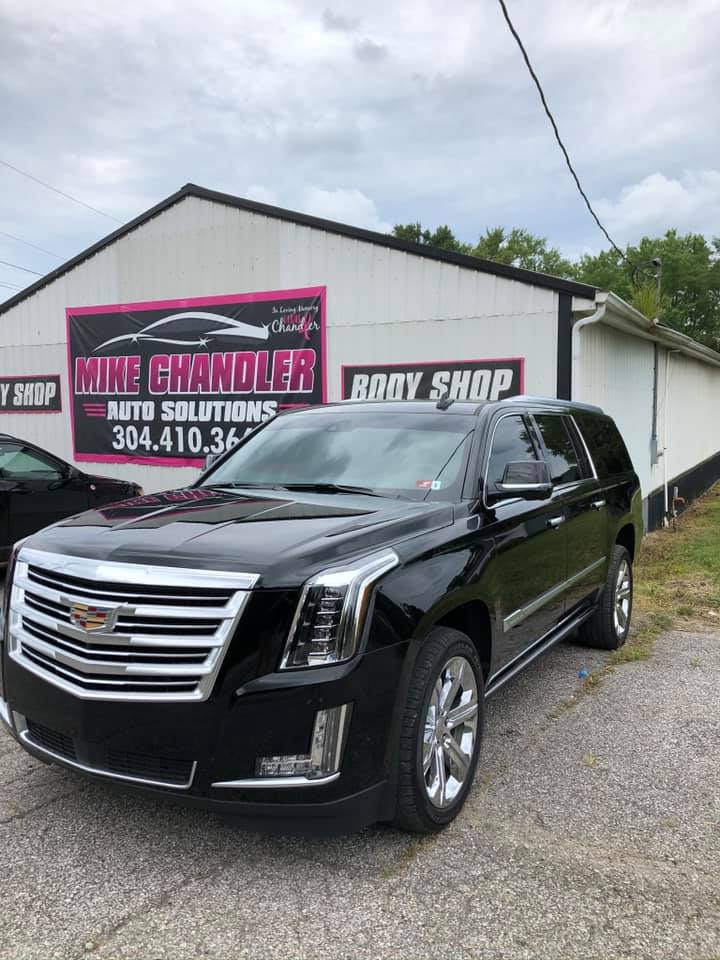
Most vehicles that look “too far gone” are not. We have turned around black SUVs that lived in brush country, with long pinstripes along both sides, using a mix of targeted wet sanding and multi-step correction. We have rescued single-stage classics that left red on every pad but finished with a glow their owners had not seen in years. And we have also told owners that their hoods needed new clear coat, not a heavier compound.
At Hugo's Auto Detailing, the best days start with an honest conversation: what the paint can give with correction, what it cannot, and how to bridge the gap with spot resprays where needed. It is satisfying to deliver a transformation without repainting, but it is just as satisfying to shepherd a car through a quality repaint, then refine and protect it so the owner gets the most out of that investment.
A practical decision framework you can use
Here is a simple checklist you can apply in your driveway before you even book an assessment.
- Does a small test area improve noticeably with a mild polish and light pressure? If yes, correction likely has room to work. Can you catch scratches with a fingernail, or do you see matte patches that will not gloss? Those areas point toward repaint or spot repair. Are there visible cracks, peeling clear, or lifting at edges? Repaint is the only durable fix. Does the car have mostly original paint with isolated damage, or a patchwork of past repairs? Preserve originality with correction plus spot respray, or choose repaint for uniformity. What are your use patterns and maintenance habits? Daily drive and automatic washes argue for realistic correction and durable protection. Garage queen and careful washes justify more refinement.
Integrating detailing services for a result that lasts
Correction or repaint is only part of the plan. A competent Car detailing service fills the gaps between those decisions. Exterior detailing decontaminates and refines the surface, resets the slickness that makes dirt release, and keeps grime from turning into etching. Interior detailing keeps the cockpit pleasant, but it also protects leather and soft plastics that otherwise dry out and crack, which affects the way a full refresh feels when you get back in.
If you maintain a mixed garage with vehicles on land and water, keep the roles distinct. A Boat detailing service knows to tape and protect stainless, to buff around complex curves and nonskid, and to target waterline staining without scarring the surface. Marine detailing brings products and pads that tolerate heat and material differences you would never use on an automotive clear. Boat ceramic coating and Marine gel coating options carry different chemistry and cure needs, with an emphasis on UV stability and fouling resistance.
Cost signals that tell you which path fits
You do not need an exact quote to sense the scale. A thorough one or two stage paint correction for a sedan plus a quality ceramic coating usually sits in the low to mid four figures depending on region and paint condition. Spot wet sanding and local repair add to that in a targeted way. A panel respray with proper blending can rival or exceed a full correction budget for that one section, and a full repaint can easily run into five figures for a modern car if disassembly and high-end materials are involved.
Now put that against your ownership horizon. If you plan to keep the car three to five years, a solid correction with protective layers is often the smarter play. If the paint is failing and you plan to hold and enjoy the car for a decade, a repaint by a reputable shop, then correction and coating, amortizes well over time.
Risks and safeguards, whichever route you choose
There are risks in both approaches. Overzealous compounding can strike through at edges. Heat can swell and haze thin clear. Mismatched repaint work brings tiger striping and peel that even careful correction cannot hide. You mitigate these with measurement, test spots, cool heads, and patience.
Shops that operate with process discipline put safety first. Masking sharp edges to avoid burn-through, using slower arm speeds and soft pads on suspect repainted panels, cleaning pads frequently to keep cut consistent, and swapping to finishing polishes early when the material tells you to. On repaint jobs, vet the shop’s adhesion processes, their bake cycles, and their willingness to let an extra day pass for proper cure. The details matter, quietly, for years.
The bottom line that respects both craft and budget
Let the paint answer the question for you. If it has life left, paint correction restores it while preserving originality and reducing downtime. If the coating has failed, repainting resets the clock and makes every future wash, wax, and drive more enjoyable. In the wide middle, combine approaches with smart spot work, blended resprays, and thoughtful correction that treats each panel on its own merits.
Over and over, the winning strategy is practical and personal. The right choice is the one that fits your vehicle’s condition, your standards, and how you use it. A seasoned shop like Hugo's Auto Detailing does not force you down one path. It shows you the test spot, the readings, the likely outcomes, and then builds a plan that uses the least invasive method to deliver the most satisfying result.
Hugo’s Auto Detailing
1610 East Valley Rd, Montecito, CA 93108
(805) 895-1623
FAQs About Car Detailing
How long does car detailing take?
Car detailing typically takes between 2 and 8 hours, depending on the vehicle’s size, condition, and whether services like paint correction or ceramic coating are included.
How often should I get my car detailed?
Most vehicles should be detailed every 3 to 6 months, especially in Montecito, CA where sun exposure and coastal conditions can impact your vehicle’s paint and interior.
Is paint correction required before ceramic coating?
Paint correction is recommended if your vehicle has swirl marks, scratches, or oxidation. Proper preparation ensures better bonding and long-term performance of the ceramic coating.